|
||||||||||||
 |
||||||||||||
The Challenge: High-Speed Data LoggingAs network and sensor data rates continue to increase, many data logger systems struggle to maintain sustained recording speed — especially when file system support is required. CPU-based architectures often become the bottleneck, leading to:
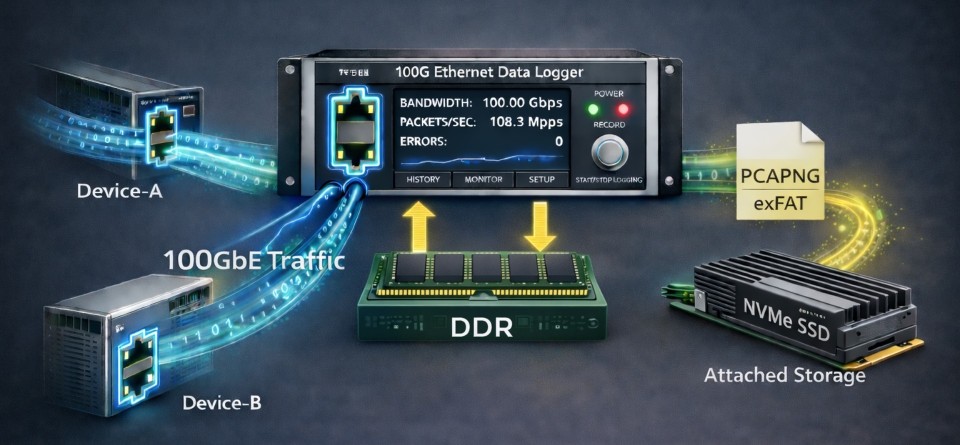
This FPGA-based data logging project demonstrates a standard, reusable data logger architecture, implemented with 100G Ethernet to clearly showcase high-performance capability. |
||||||||||||
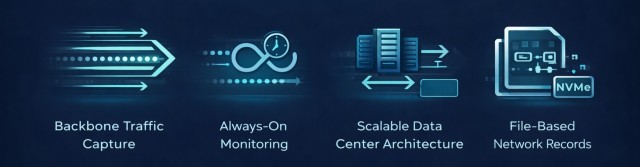
FPGA-Based Reference ArchitectureThis project is built as an FPGA-based system, where all time-critical data handling is performed in hardware logic. Incoming data is buffered, processed, and recorded without relying on a CPU for the data path.
To demonstrate a demanding real-world scenario, the system is implemented as a 100G Ethernet data logger. This closed application allows customers to easily understand system behavior, performance limits, and design advantages — while still serving as a flexible base for other applications. Watch the YouTube Demo Video |
||||||||||||
Sustained Recording with DDR BufferingOne of the key challenges in high-speed logging is maintaining a stable, sustained write rate. In this system:
This buffering mechanism ensures continuous recording without packet loss, even under full line-rate traffic. |
||||||||||||
High-Speed File-Based Recording (PCAPNG)Unlike raw data dump solutions, this system records data directly into a standard file system format:
This makes captured data immediately usable for analysis, debugging, and validation. |
||||||||||||
Built on Proven Storage IP CoresThe system is powered by two key IP cores that work together seamlessly:
Together, these IPs combine high-speed recording with easy data retrieval, creating a smooth workflow from capture to analysis. |
||||||||||||
Packet Filtering via Software ConfigurationTo improve usability, the system includes packet filtering control through a user application:
This makes the system practical for real-world logging and monitoring scenarios. |
||||||||||||
Scalable on Agilex 7 FPGA PlatformThe demo is implemented on an Altera Agilex 7 FPGA board, and the hardware resources can be adjusted to match final system requirements. Examples of scalability include:
This flexibility allows customers to scale performance without changing the core architecture. |
||||||||||||
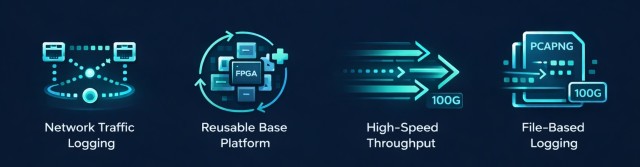
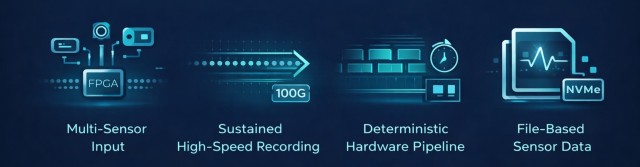
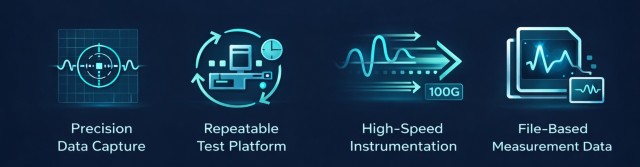
A Reusable Base for High-Speed Data LoggersWhile demonstrated as a 100G Ethernet data logger, this FPGA-based system can serve as a base platform for: |
||||||||||||
|
||||||||||||
Watch the YouTube Demo Video |
||||||||||||

|
||||||||||||
|
||||||||||||
 |
||||||||||||
| Contact Us | ||||||||||||
|
||||||||||||
| © 2026 Design Gateway Co., Ltd. • Website • YouTube • LinkedIn • Blog • Unsubscribe |